
Roatán Diving: Warm Water, Easy Rhythm, Beautiful Reefs

What to expect below the surface
Roatán is one of those dive destinations that does not need much overselling.
The island sits along the Mesoamerican Barrier Reef, which means divers can expect the kind of underwater scenery that makes Caribbean reef diving so appealing: coral formations, sponges, reef walls, swim-throughs, tropical fish, and plenty of small details worth slowing down for.
It is not just about seeing one “big thing.” Roatán is the kind of place where the whole reef experience is the draw.

Color, texture, and movement
A lot of the beauty in Roatán is in the reef itself.
Divers can expect coral gardens, sea fans, barrel sponges, rope sponges, brain coral, and reef structures that create texture and movement everywhere you look. Depending on the site, you may find yourself drifting along a wall, exploring a swim-through, or hovering over a shallower coral garden full of life.
This is the kind of diving that rewards patience.
Look closely and the reef starts revealing itself: tiny fish moving in and out of coral heads, cleaning stations, little creatures hiding in plain sight, and the constant rhythm of life that makes a healthy reef feel alive.
Reef fish everywhere
Roatán is a great place for classic Caribbean reef fish.
Divers may see parrotfish, angelfish, butterflyfish, wrasse, grunts, chromis, damselfish, trumpetfish, filefish, and schools of blue tangs and other small reef fish moving across the coral.
You may also see larger reef residents like groupers, snappers, barracuda, jacks, and tarpon, depending on the dive site and conditions.
For divers who enjoy fish behavior, Roatán can be especially fun. There is always something happening if you slow down enough to notice it.

Turtles, rays, eels, and other favorites
While nothing underwater is ever guaranteed, Roatán divers may also encounter some of the animals that make Caribbean diving so memorable.
That can include sea turtles, southern stingrays, spotted eagle rays, moray eels, lobsters, crabs, shrimp, and sometimes nurse sharks.
Some dives may be full of big, obvious moments. Others may be quieter and more about the reef’s details. That variety is part of the appeal.
Macro life and small surprises
Roatán is not only about walls and wide reef scenes.
For divers who like to look closely, the reef can offer plenty of smaller finds: arrow crabs, cleaner shrimp, flamingo tongue snails, juvenile fish, blennies, gobies, nudibranchs, and other tiny creatures tucked into coral, sponges, and crevices.
These are the kinds of finds that make you realize how much is happening in just one small section of reef.
If you dive with a camera, or simply enjoy slowing down, Roatán gives you plenty of reasons to take your time.
Walls, swim-throughs, and coral formations
One of the things divers often love about Roatán is the variety of underwater topography.
Many sites offer reef walls that drop into deeper blue water, along with channels, swim-throughs, ledges, and coral structures that make each dive feel a little different.
For some divers, that means beautiful wide-angle scenery. For others, it means the fun of moving through reef formations and watching the light change as you pass between coral and open water.
Either way, Roatán has that sense of underwater architecture that makes a dive feel immersive.
Wrecks for a different kind of dive
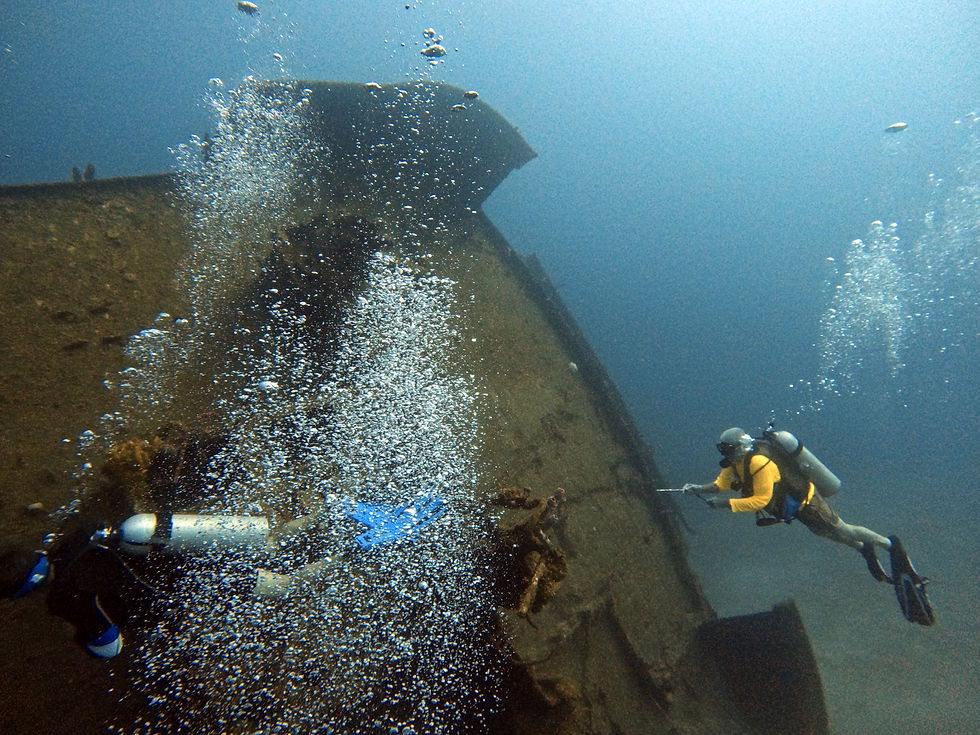
Roatán is best known for its reefs, walls, and swim-throughs, but divers may also have opportunities to explore wreck sites, depending on conditions, certification level, and the dive operator’s schedule.
Wreck dives add a different kind of texture to the week. Instead of focusing only on coral formations and reef life, you get the experience of swimming around a structure that has become part of the underwater environment.
Like any wreck dive, these sites should be approached with proper training, awareness, and respect for the dive plan. But for divers who enjoy variety, Roatán’s wrecks can add another memorable layer to the destination.
Clear, warm Caribbean water
Roatán is also known for warm Caribbean water and generally comfortable dive conditions.
Of course, visibility, current, and surface conditions can vary from day to day. That is always part of diving.
But overall, Roatán has a reputation for being an approachable warm-water destination, which is part of what makes it appealing to divers at different stages of experience.
The water feels inviting. The reef is close. And the diving can feel both beautiful and manageable.
Lionfish and reef awareness
Divers in Roatán may also see lionfish.
They are beautiful to look at, but they are an invasive species in the Caribbean and a real concern for reef ecosystems. In some areas, local dive professionals actively remove lionfish from the reef as part of ongoing management efforts.
So it may not be unusual to see divemasters harvest lionfish during a dive, then clean them on the boat afterward. Lionfish are also commonly eaten, and in many Caribbean dive communities, eating lionfish is one way people help reduce their impact on the reef.
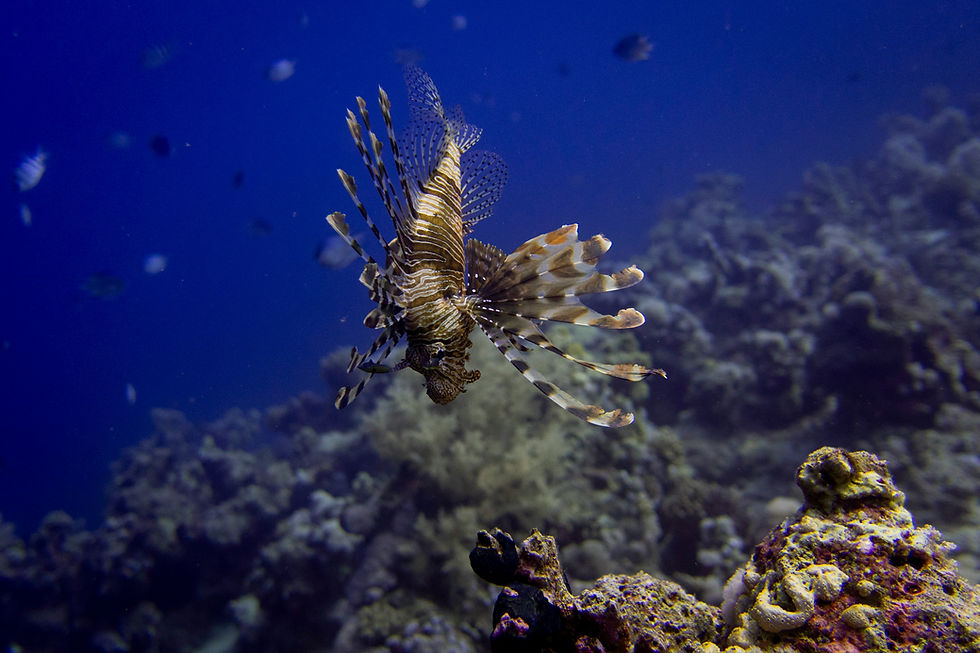
Seeing lionfish is a reminder that reefs are not just beautiful places to visit. They are living systems facing pressure from invasive species, development, pollution, warming waters, overfishing, and human impact.
That does not mean we should love diving any less.
It means we should dive with more awareness.
Good buoyancy, reef-safe sun protection, responsible dive practices, and support for local conservation efforts all matter.
The feeling of diving in Roatán
So, what is it like to dive in Roatán?
Expect warm water. Colorful reef life. Coral gardens and walls. Sponges, sea fans, and swim-throughs. Turtles, rays, eels, reef fish, and small surprises. A relaxed Caribbean feel. And the kind of underwater beauty that invites you to slow down and look more closely.
Not every dive is about checking off a list.
Sometimes the best dives are the ones where you simply settle into the rhythm of the reef and remember why you love being in the ocean.


Comments